The Cultural Melting Pot: Western Swing’s Roots in Blues, Jazz, and Folk
The Cultural Melting Pot: Western Swing’s Roots in Blues, Jazz, and Folk
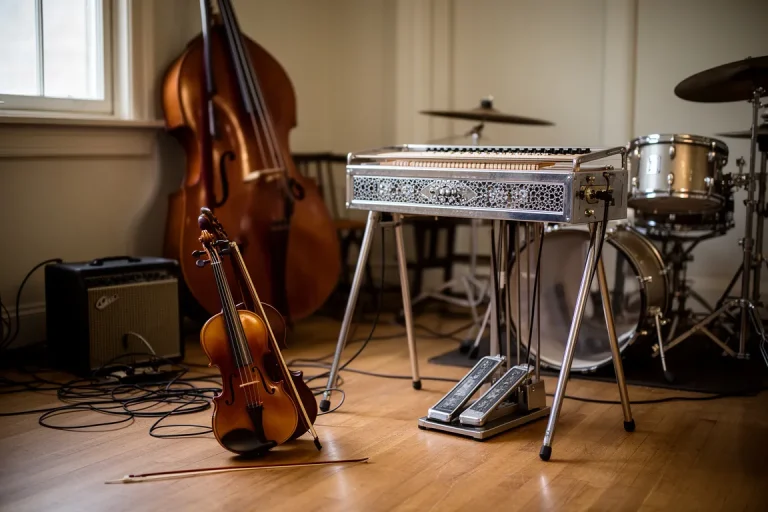
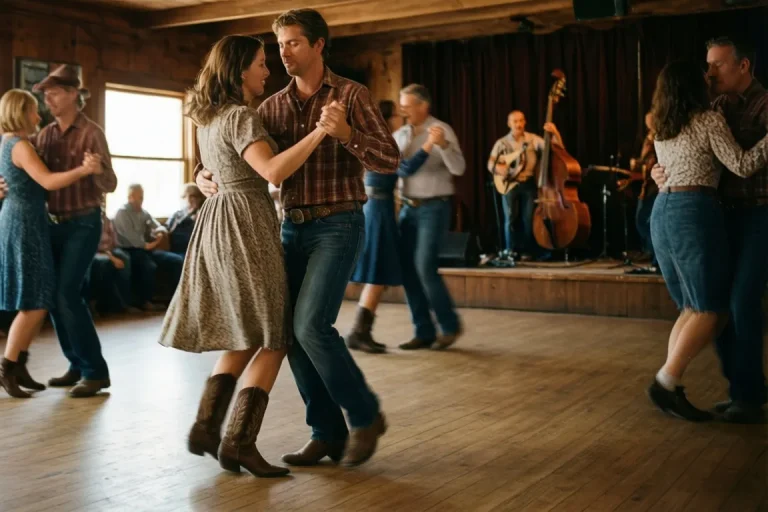
Western swing took shape in Texas dance halls during the 1930s. It mixes three streams you can pick out on any good recording: blues forms, jazz swing, and folk fiddling. Start with Bob Wills and His Texas Playboys to hear all three at once.
Trace Each Root on These Tracks
Play these cuts and listen for the specific markers.
- Blues shows up in the 12-bar chord cycle and bent notes. Try “Blues for Dixie” by Bob Wills; the guitar and steel lines lean on the same changes Bessie Smith used.
- Jazz enters through the horn section and loose solos. “Take the ‘A’ Train” style riffs appear on “Cotton Eyed Joe” by the Light Crust Doughboys, where the trumpets trade phrases over a two-beat bass.
- Folk sits in the fiddle breakdowns and simple story lyrics. Listen to “Ida Red” by Bob Wills; the twin fiddles echo old-time square-dance tunes while the band swings the rhythm underneath.
Grab a playlist of these three songs. Play them back to back and note the shared tempo around 180 beats per minute. That steady dance pulse holds the mix together.
Once you hear the pieces, try spinning “San Antonio Rose” live versions from 1940. The same band moves from a blues verse into a jazz bridge then lands on a folk-style tag without stopping. Your ear will catch the handoff each time.