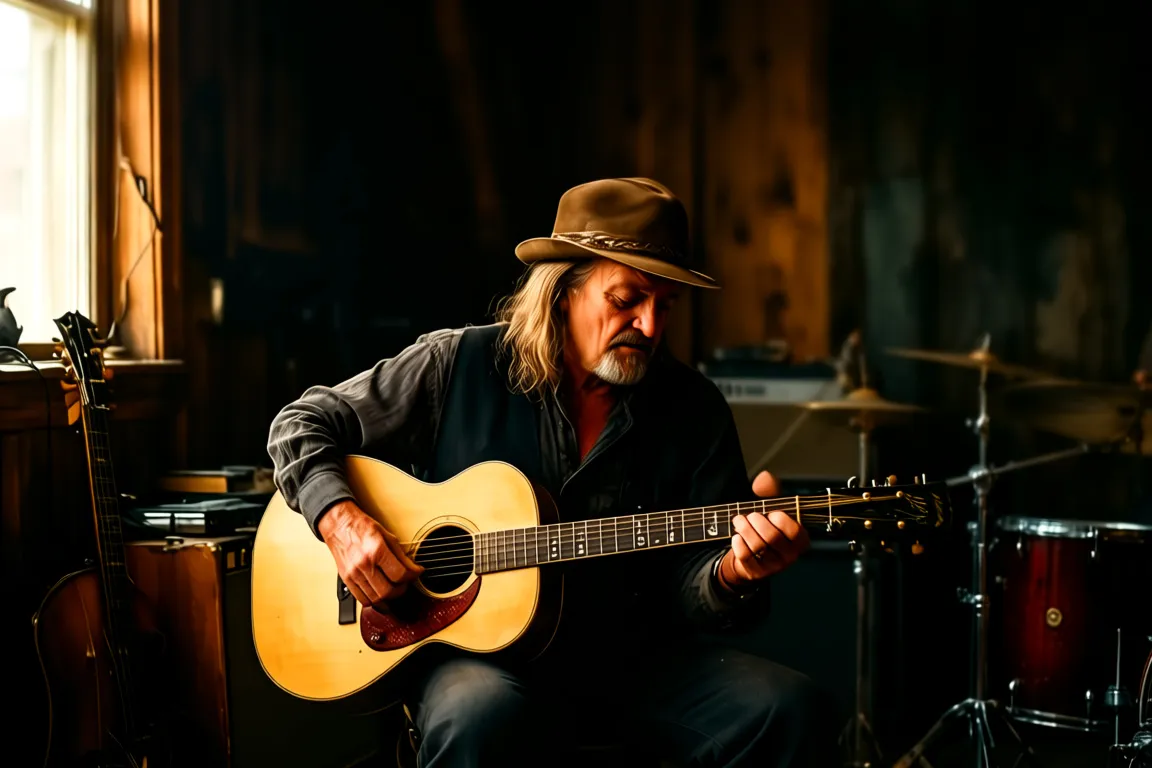
Spotlight on Asleep at the Wheel: Keeping the Swing Alive
Spotlight on Asleep at the Wheel: Keeping the Swing Alive
Asleep at the Wheel has held Western swing together since 1970 by mixing Bob Wills-era tunes with fresh players and road-tested arrangements. If you want to keep that sound alive in your own listening or playing, start here.
Start with the core sound
Ray Benson and the band treat swing as dance music first. Listen for the walking bass, twin fiddles, and steel guitar that push the beat forward instead of sitting behind it.
- Grab their 1970s albums like Texas Gold and Comin’ Right at Ya for the tightest examples.
- Notice how the horns answer the vocals instead of taking long solos.
- Compare a Wills original to the band’s version to hear what stays and what gets tightened.
Pick the right tracks to study
Use this short table to focus your first few listens.
| Track | What to notice | Real-world use |
|---|---|---|
| “Route 66” | Call-and-response between guitar and horns | Great for learning shuffle feel on guitar |
| “Take Me Back to Tulsa” | Steel guitar fills that land on the off-beats | Copy the fills for your own band gigs |
| “House of Blue Lights” | Fast twin fiddle lines over steady rhythm | Practice trading solos without losing the groove |
Listen with a player mindset
Play along instead of just streaming. Start with these steps.
- Set your metronome to 180 bpm and mute the guitar track on a recording.
- Follow the bass line with your foot for two full choruses.
- Add simple chord stabs on beats two and four only.
- Once that locks, try copying one fiddle line an octave lower on guitar.
Most people rush the backbeat. Slow the track down 20 percent until your timing sits right.
Keep the style moving forward
Book local swing nights and request Asleep at the Wheel numbers. Bring a fiddler and a steel player when you can. Younger dancers show up when the band keeps the energy high and the tempos danceable instead of museum-piece slow. Record your own versions of three tunes and post them with the original titles so new listeners can find the source material.


